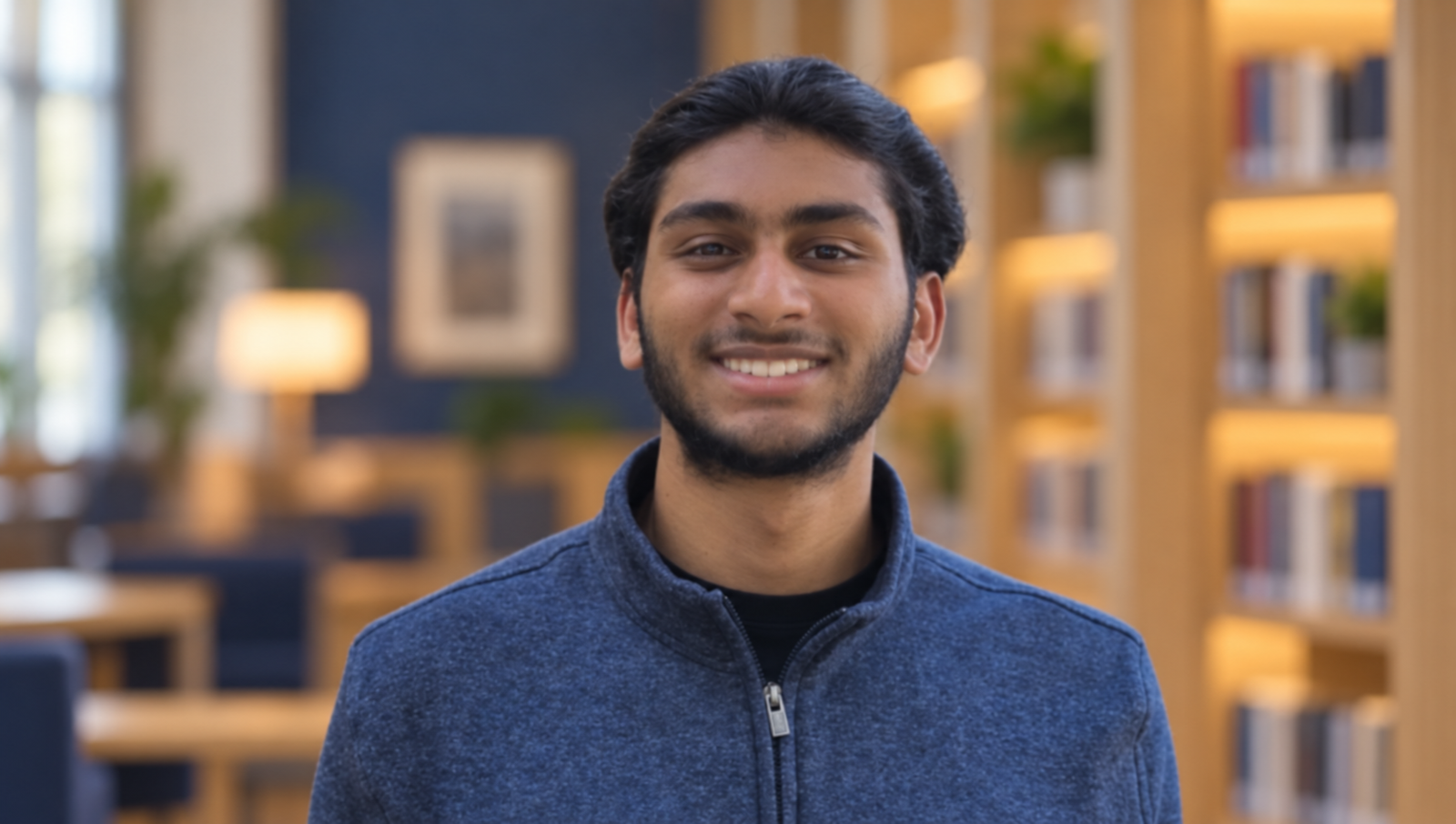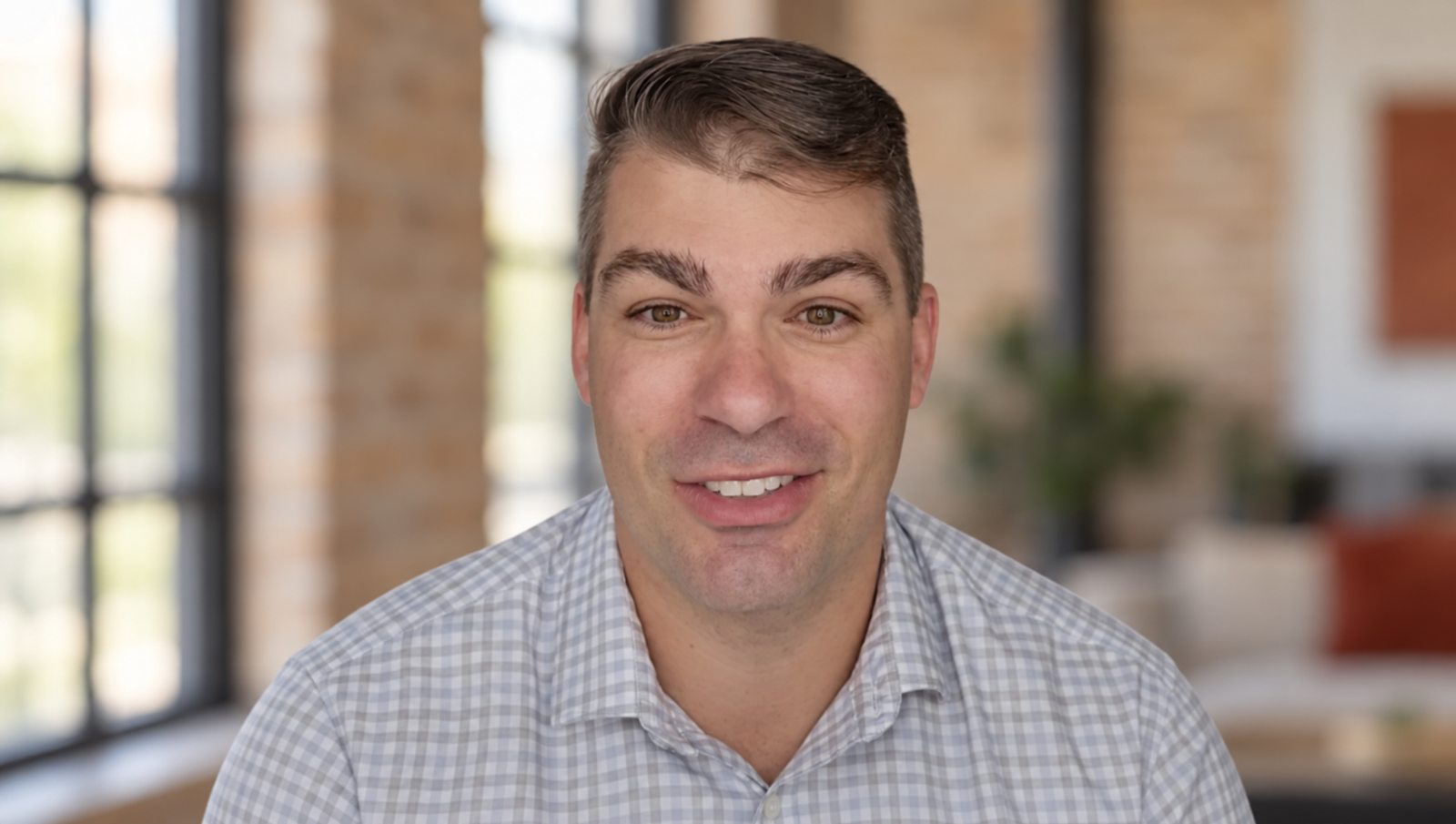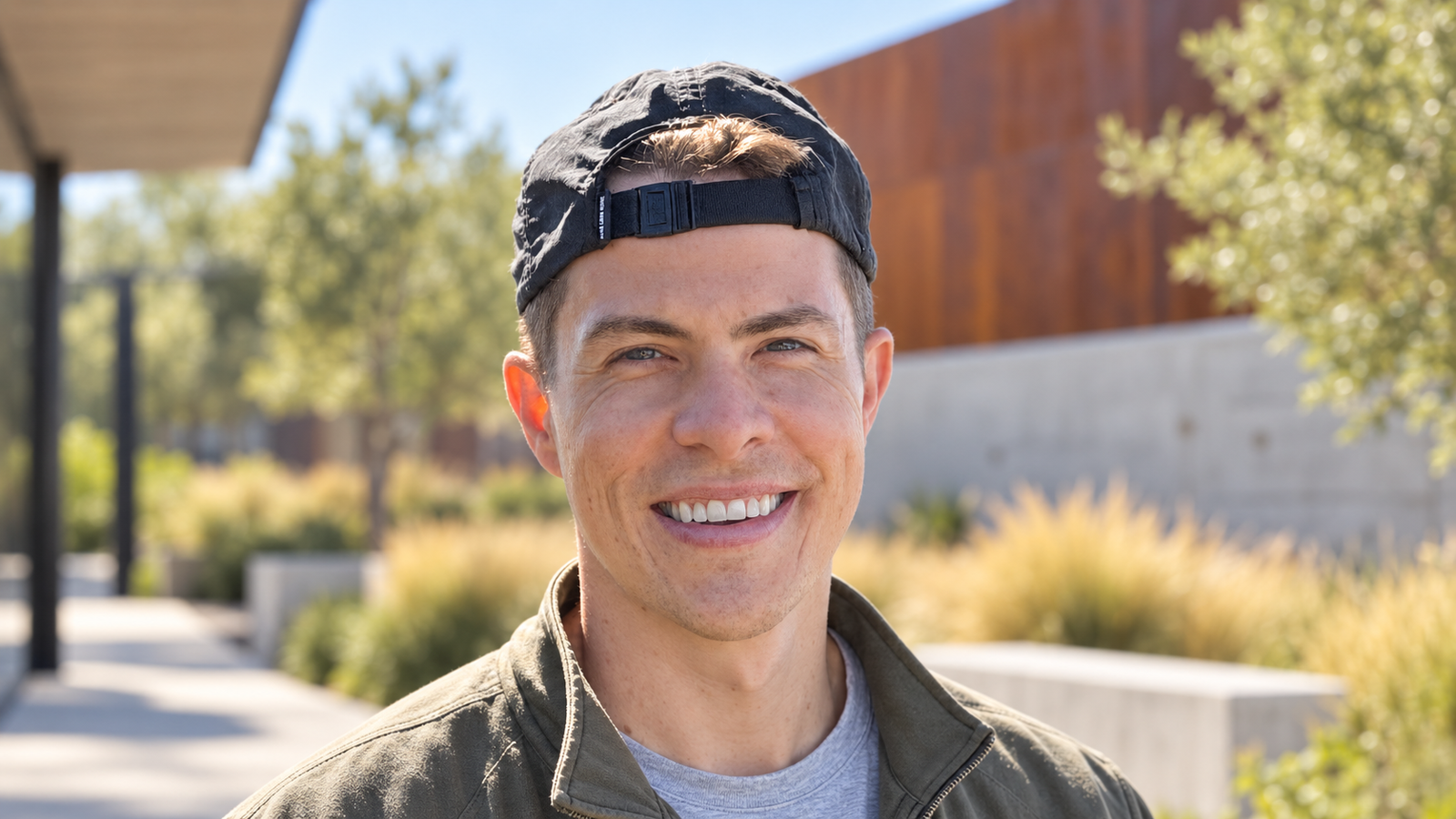

At a Mission Rock breakfast, local entrepreneurs explored how stronger payment systems, better technology and community partnerships could help neighborhood businesses benefit from the surge of visitors expected in 2026.
For San Francisco’s small business owners, the approaching FIFA World Cup 2026™ represents more than a global sporting spectacle. It could bring new customers through their doors, introduce their businesses to international visitors and create opportunities for growth that extend well beyond the tournament.
But opportunity alone does not guarantee success. Businesses must be ready to handle increased demand, changing customer expectations and a higher volume of digital transactions.
That message shaped the conversation on Tuesday, May 5, 2026, when entrepreneurs, community leaders and business-support organizations gathered at the Visa Mission Rock Market Support Center for a small business breakfast focused on World Cup readiness.
Held at 300 Toni Stone Crossing, the event brought together restaurant owners, retailers, service providers and independent entrepreneurs. Although their businesses differed, many arrived with the same question: How can San Francisco’s neighborhood businesses position themselves to benefit from one of the world’s largest sporting events?
Turning Global Attention Into Local Opportunity
The breakfast, organized through a collaboration involving Visa & Main and community business partners, placed the needs of local entrepreneurs at the center of the discussion.
As World Cup excitement builds across the Bay Area, small businesses are preparing for the possibility of increased tourism, heavier foot traffic and greater demand for food, retail, transportation and other services.
For neighborhood businesses, however, the real challenge will be converting that temporary increase in attention into meaningful revenue and lasting customer relationships.
Discussions throughout the morning focused on practical steps business owners can take now, including improving checkout systems, accepting customers’ preferred payment methods, preparing for higher transaction volumes and creating smoother customer experiences during busy periods.
The conversation also reflected a broader reality: visitors arriving from across the United States and around the world will expect fast, secure and convenient ways to pay. A business that is unprepared for those expectations could lose sales during the very moment when demand is at its highest.
For the entrepreneurs in attendance, the event offered more than general business advice. It created a setting where they could ask questions, compare experiences and consider what readiness would look like within their own operations.
Helping Neighborhood Businesses Compete
Among the organizations represented was the Renaissance Entrepreneurship Center, which supports entrepreneurs and small businesses throughout the Bay Area.
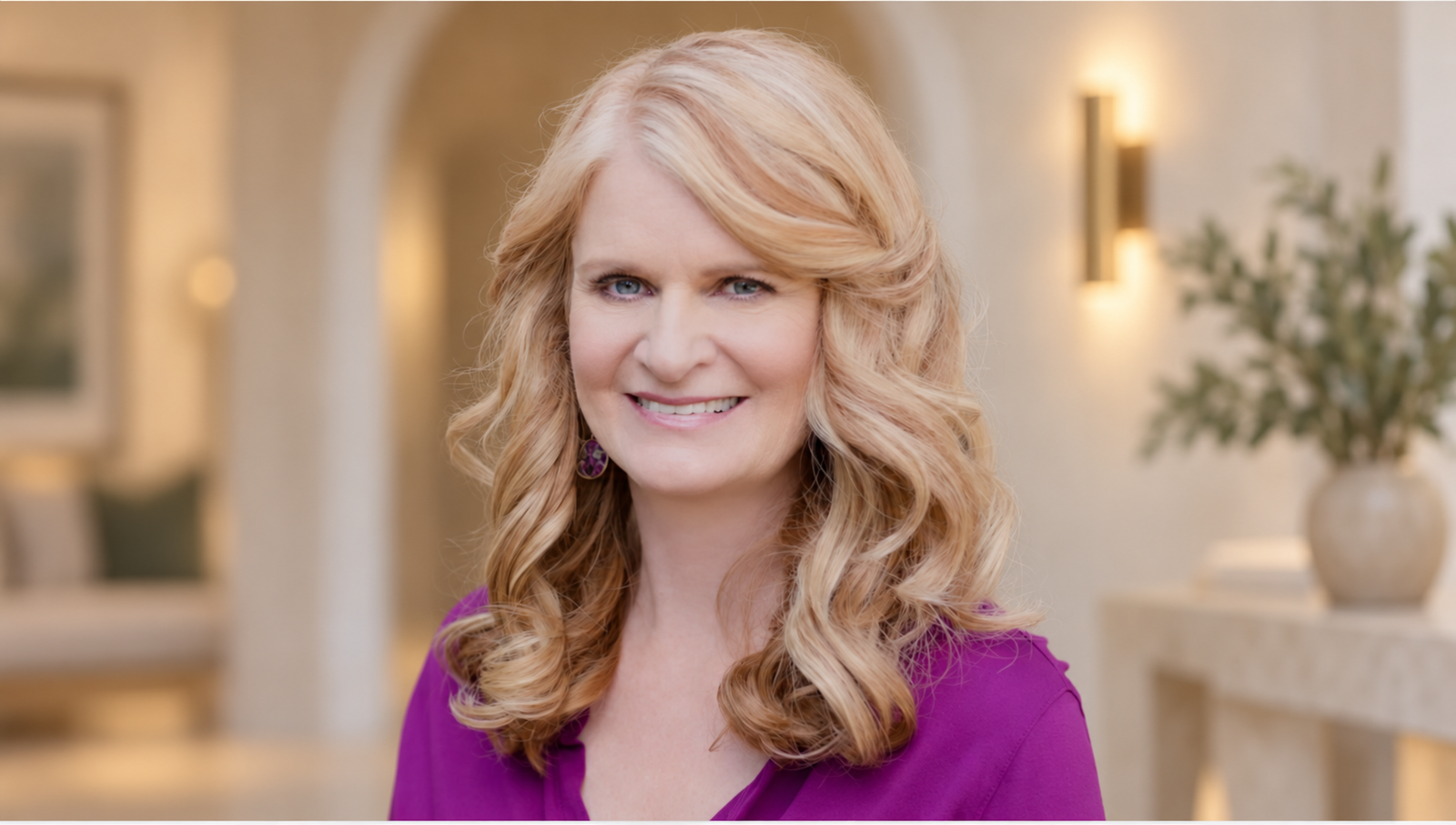
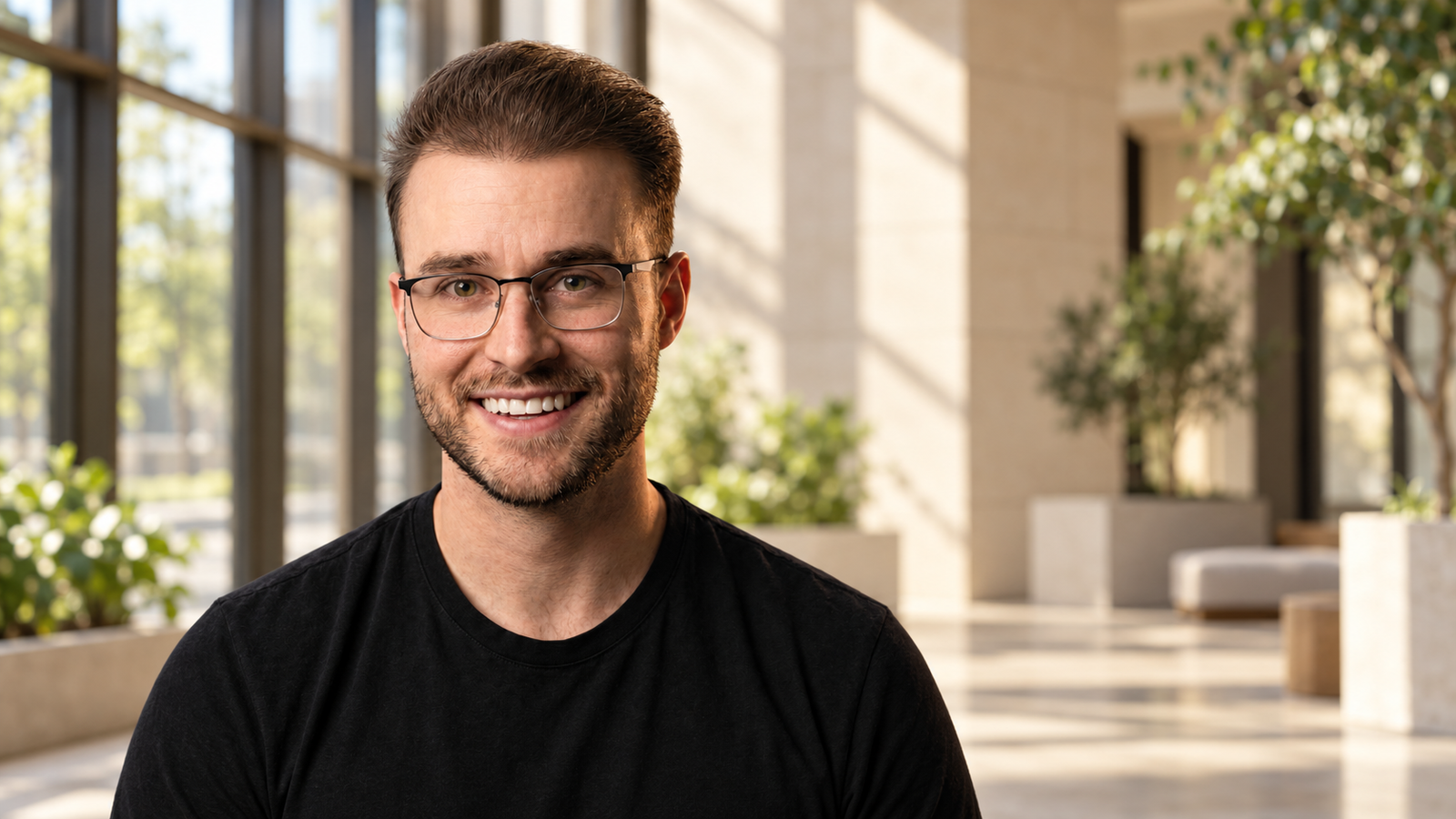
Pavitra, program manager for the Renaissance Women’s Business Center and South of Market programs, represented the organization at the gathering. Her presence underscored the importance of connecting major economic opportunities with the neighborhood entrepreneurs who may otherwise struggle to access the resources needed to participate.
Renaissance provides business education, individual consulting, financial-literacy support, marketing assistance and guidance for entrepreneurs seeking to start or expand their businesses. Its programs also serve women, immigrants and entrepreneurs from historically underserved communities.
That work becomes especially important ahead of major events.
While the broader economic impact of the World Cup may be measured through tourism, hotel occupancy and regional spending, many small business owners will judge its success more personally: Were they able to attract new customers? Could they manage the additional demand? Did the increased activity produce sustainable growth?
Organizations such as Renaissance help close the gap between a citywide economic opportunity and a neighborhood business owner’s ability to benefit from it.


For entrepreneurs operating with small teams and limited resources, trusted guidance can determine whether a sudden increase in customers becomes a breakthrough—or an operational strain.
A Champion’s Lesson in Preparation
One of the morning’s most memorable perspectives came from former FIFA Women’s World Cup™ champion Tobin Heath, who discussed the discipline required to perform under pressure.
Her experience came from elite athletics, but the message resonated with business owners accustomed to making consequential decisions in demanding environments.
Success in a defining moment, Heath emphasized, is built through preparation, consistency, focus and the ability to adapt when conditions change. Those same qualities are familiar to entrepreneurs navigating rising costs, new technology, shifting consumer habits and the daily uncertainty of running a business in San Francisco.
The connection between sports and entrepreneurship became a natural theme of the event. Athletes train before the stadium fills. In the same way, businesses must strengthen their operations before visitors arrive.
When demand increases, there may be little time to troubleshoot a slow payment system, train employees or redesign the customer experience. The work must begin well ahead of the opening match.
Technology as a Tool for Participation
The event’s focus extended beyond payment processing to the wider role technology plays in modern business.
Attendees received access to practical resources, including complimentary laptops distributed while supplies lasted. For some entrepreneurs, that support could strengthen their ability to manage finances, market their businesses, communicate with customers or adopt new digital tools.
Access to technology is increasingly tied to a business’s ability to compete. Online visibility, contactless payments, digital recordkeeping and efficient customer service are no longer optional advantages for many businesses; they are becoming fundamental parts of everyday commerce.
By pairing business education with tangible resources, the breakfast demonstrated how partnerships among corporations, nonprofits and community organizations can address some of the practical barriers entrepreneurs face.
It also gave business owners something that can be equally valuable: an opportunity to meet others confronting similar challenges. Conversations over breakfast allowed attendees to exchange ideas, build relationships and learn from people working in the same local economy.
Building for the Day After the Tournament
Although the World Cup provided the immediate reason for the gathering, the morning’s larger message was about long-term resilience.
Upgrading a payment system may help a restaurant serve more visitors during the tournament, but it can also improve service for regular customers afterward. Strengthening digital operations may prepare a retailer for a temporary increase in sales, while also making the business more competitive in the years ahead.
The most valuable preparations, speakers suggested, will be those that continue producing results after the crowds leave.
That means thinking beyond a single event and considering how customers want to pay, where unnecessary friction exists, how trust can be strengthened and what kind of experience will encourage first-time visitors to return.
For local business owners, the goal is not simply to survive a busy period. It is to use the moment to strengthen their businesses, reach new audiences and build lasting momentum.
Keeping Small Businesses at the Center
Major international events are often discussed in terms of stadiums, transportation, tourism and corporate investment. Yet much of a visitor’s experience is shaped at the neighborhood level—inside restaurants, shops, cafés and independently owned service businesses.
Those establishments help tell San Francisco’s story. They reflect the people, cultures and ideas that give the city its identity.
The Mission Rock breakfast offered a reminder that preparing for the World Cup must also include preparing the businesses that visitors will encounter beyond the matches.
SF Press Media attended the event to document those conversations and connect with entrepreneurs considering what the coming months could mean for their businesses and communities.
By the end of the morning, one idea stood out: the World Cup may bring the opportunity, but preparation will determine who is positioned to benefit.
For San Francisco’s small businesses, the work has already begun.